The Myth of Perfect Posture: Why Variation Does Not Mean Broken
For as long as we have studied the human body, we have tried to figure out what the “perfect” body is supposed to look like. As a massage therapist in Houston, I’ve learned to follow the person in front of me rather than chase a perfect outline.
Perfect posture. Perfect symmetry. Perfect alignment. A perfectly straight spine.
The problem is that real human bodies do not work like that.
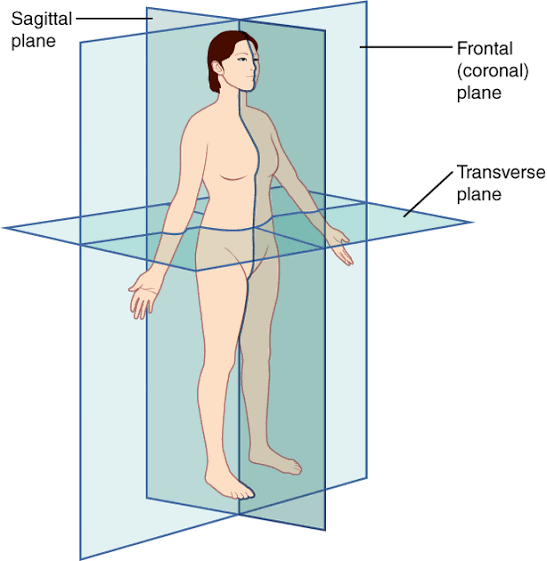
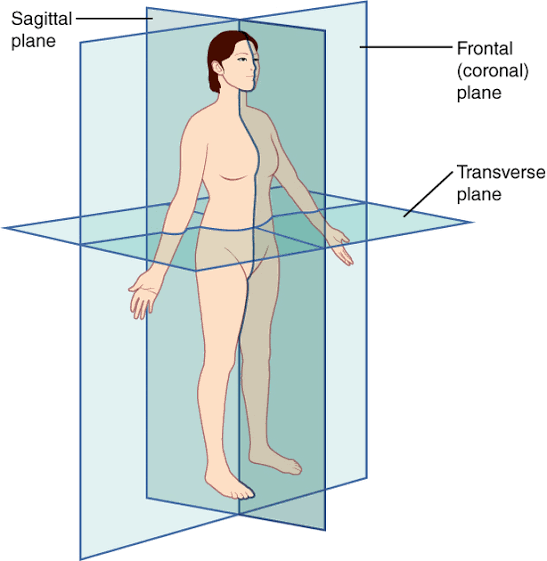
In the mythology of The Exiles, anatomical position was engraved into Olympus — the gods standard for what a body was supposed to look like. Standing tall. Facing forward. Divided into neat planes: sagittal (left and right), frontal/coronal (front and back), transverse (top and bottom). Clean. Symmetrical. Correct.
It’s the same principle I bring to my work as Houston’s best massage therapist: variation is information, not a problem to erase.
That engraving is what Naudius worships. One reference pose. One right” way to exist in space.
The Exiles don’t fit the engraving — and that’s the point.
That idea is what inspired me to create The Exiles, a Greek mythology inspired video about four characters who are cast out of Olympus because their bodies do not fit what the gods consider perfect.
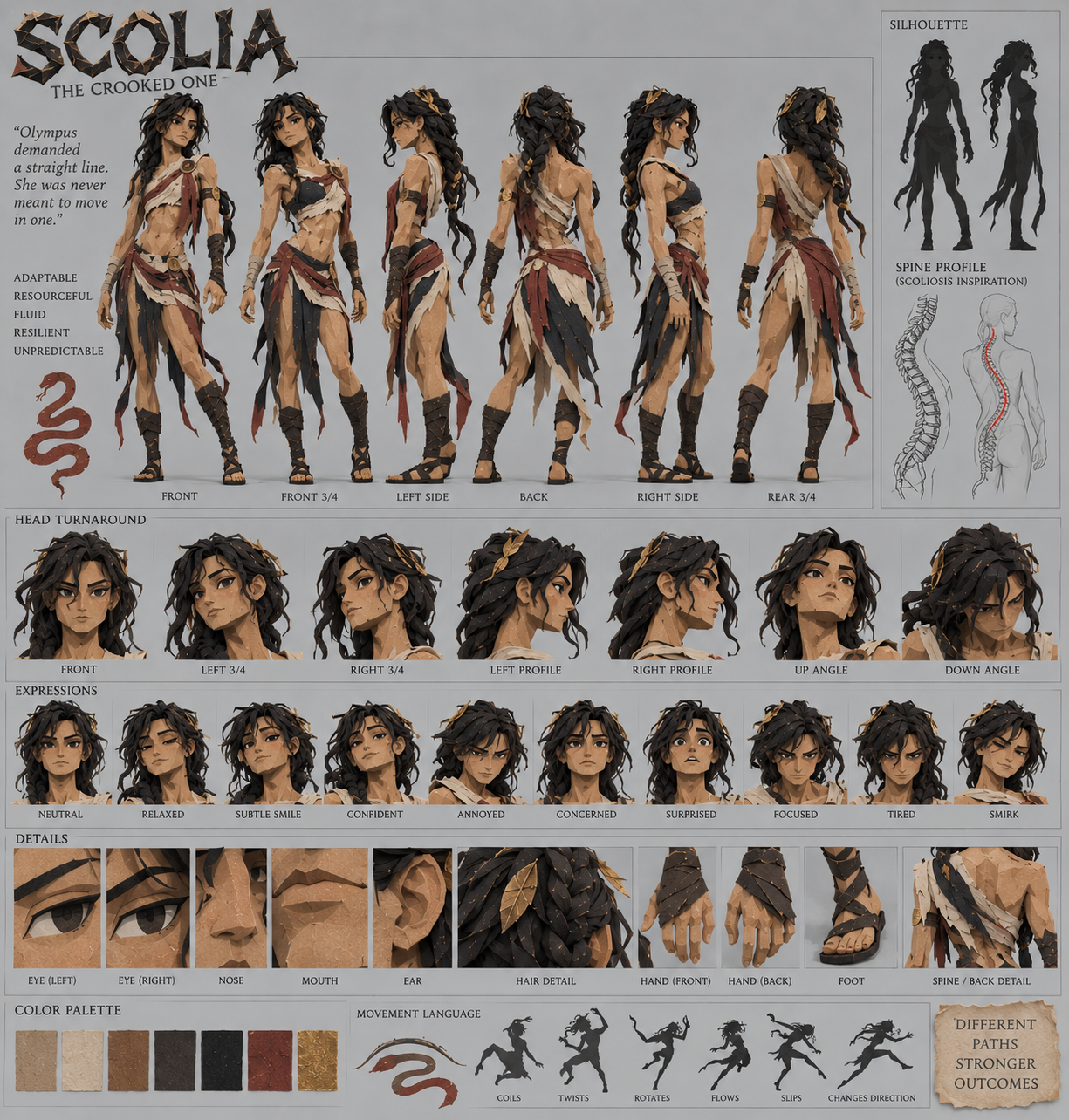
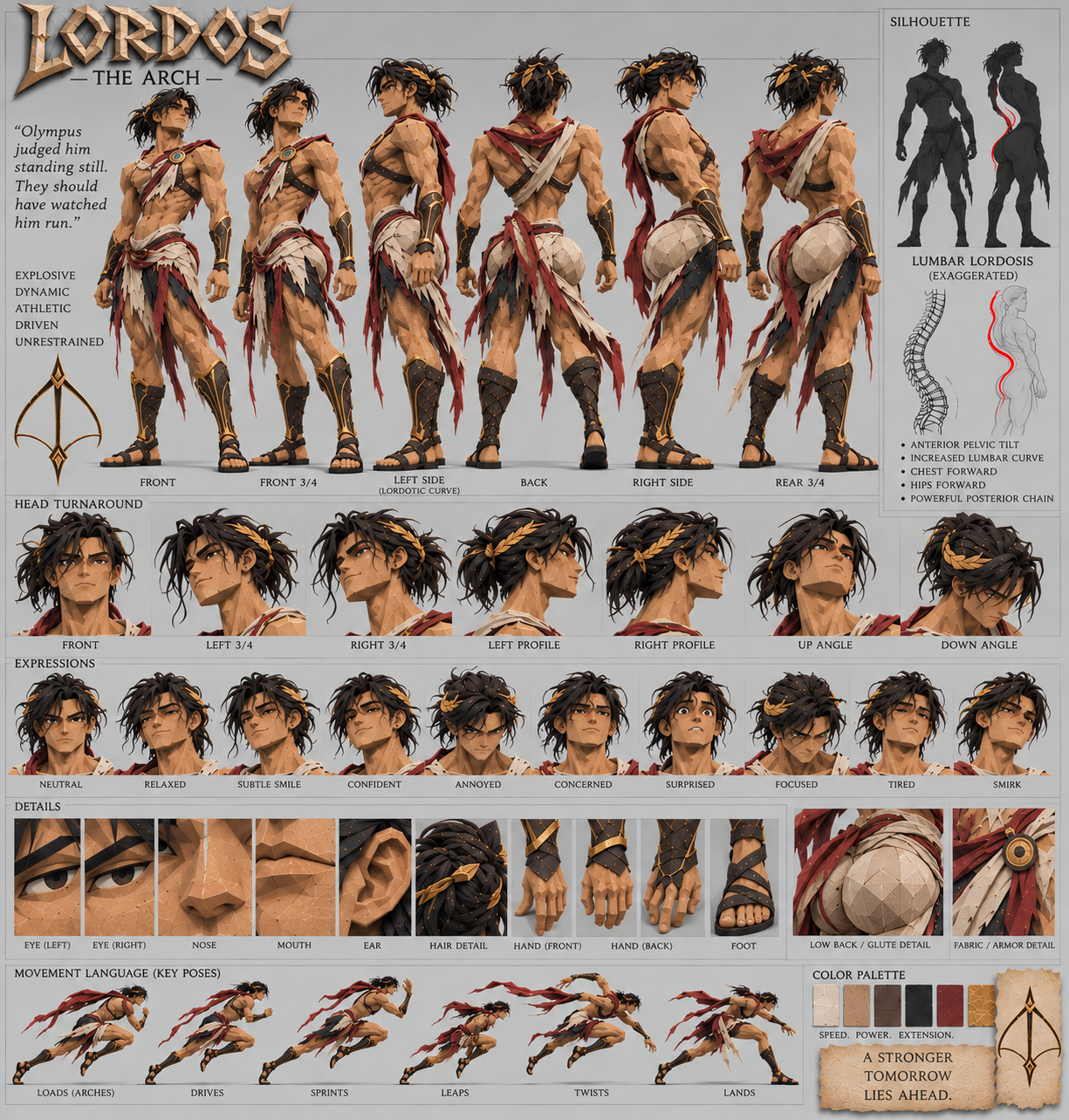
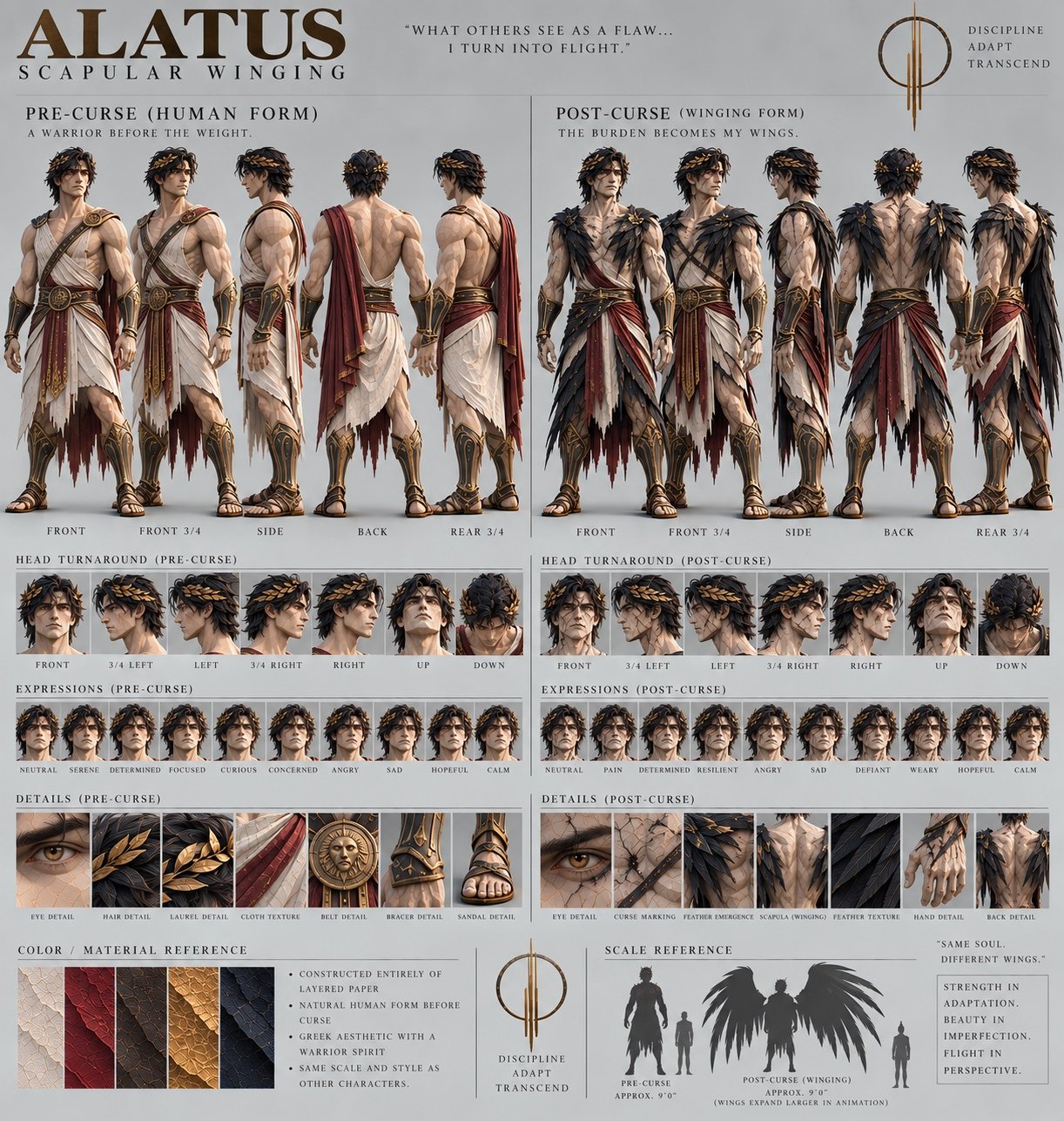
There is Kypho, with a pronounced thoracic curve. Scolia has an asymmetrical, curved and rotated spine. Lordos has a deep lumbar curve and anterior pelvic tilt. Alatus has scapular winging.
In the story, Naudius is a lesser god who is obsessed with being right. He believes there is one correct way for a body to look, so when he sees these differences, he sees flaws.
He exiles them.
But that is where their story actually starts.
The Curves
Kypho — thoracic curve (kyphosis inspiration)
An exaggerated forward rounding of the upper/mid back. The thoracic spine flexes more than “ideal,” often with a rounded upper back silhouette. In the story he becomes a climber/gymnast — strength and capability with the curve, not erased by it.
Scolia — the crooked path (scoliosis inspiration)
A lateral (side-to-side) and often rotational spinal curve — not a straight midline. Shoulders/ribs can look asymmetrical. Her movement language is coils, twists, rotates, flows — adaptation through non-linear paths.
Lordos the arch (lumbar lordosis inspiration)
A deep inward curve of the lower back with anterior pelvic tilt: pelvis tipped forward, increased lumbar arch, chest/hips forward, powerful posterior chain. Explosive runner energy — Olympus judged him standing still; they should have watched him run.
Alatus — scapular winging
The shoulder blade sits off the ribcage more than usual (winging). In the myth that “flaw” becomes literal wings — pre-curse warrior to post-curse winged form. What others see as a flaw, he turns into flight.
Variation is not damage. A curve is not a moral failure, and a body that moves differently is not automatically a broken body. Bodies adapt to loads, histories, environments and lives. The goal is not to force every person into one outline; the goal is to understand the person in front of you and help them move with more options, strength and confidence.
The Exiles video will be embedded here when the Instagram post goes live.